Kaiyuan Kitchenware
Made for prep. Built for service.
Food-contact silicone, stainless steel and plastic products selected for kitchens where durability, cleanability and consistent manufacturing matter.
Kaiyuan Kitchenware
Food-contact silicone, stainless steel and plastic products selected for kitchens where durability, cleanability and consistent manufacturing matter.
Material-led range
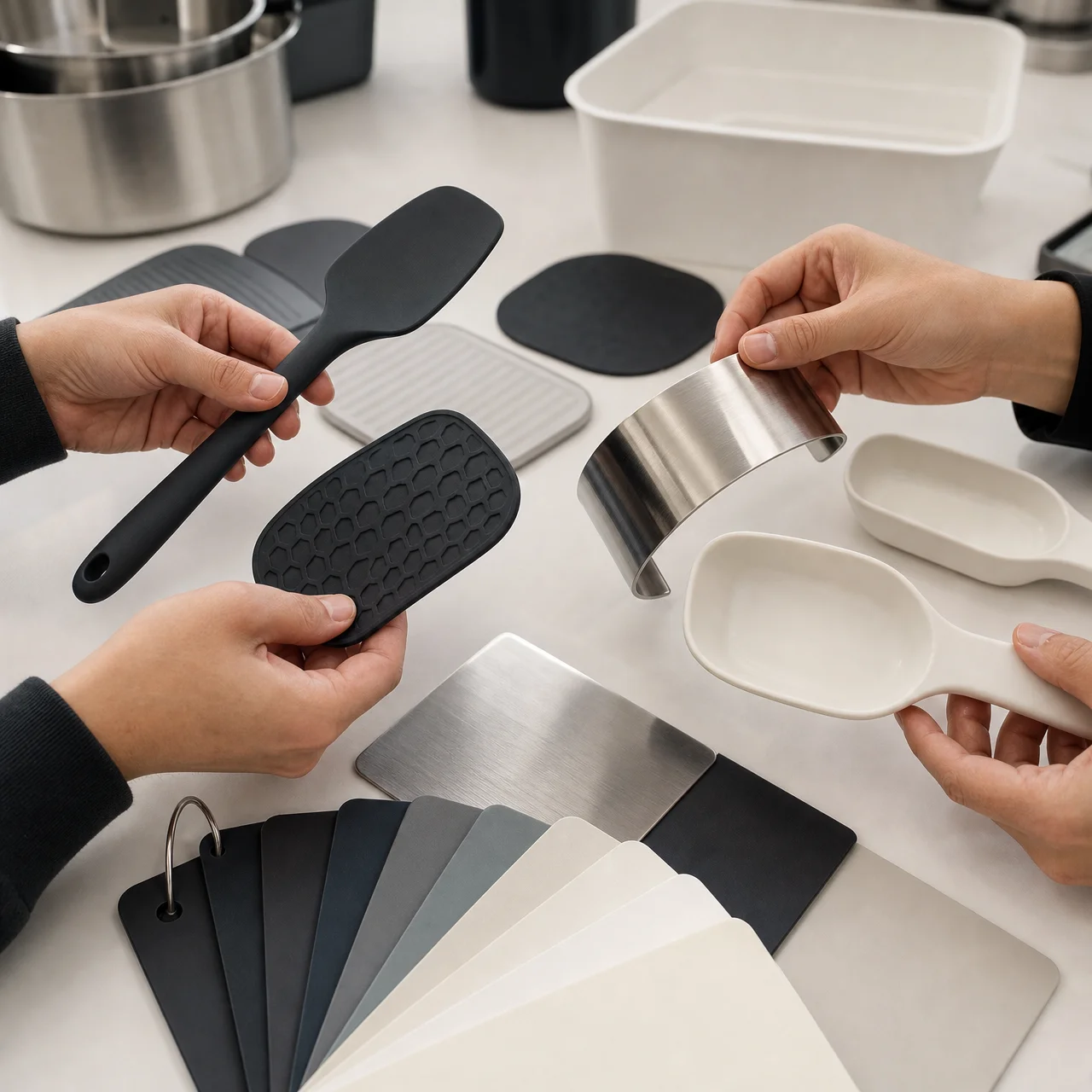
Kaiyuan brings silicone, stainless steel and plastic kitchenware into one clear product range—from flexible preparation tools to durable bowls, containers and service essentials.
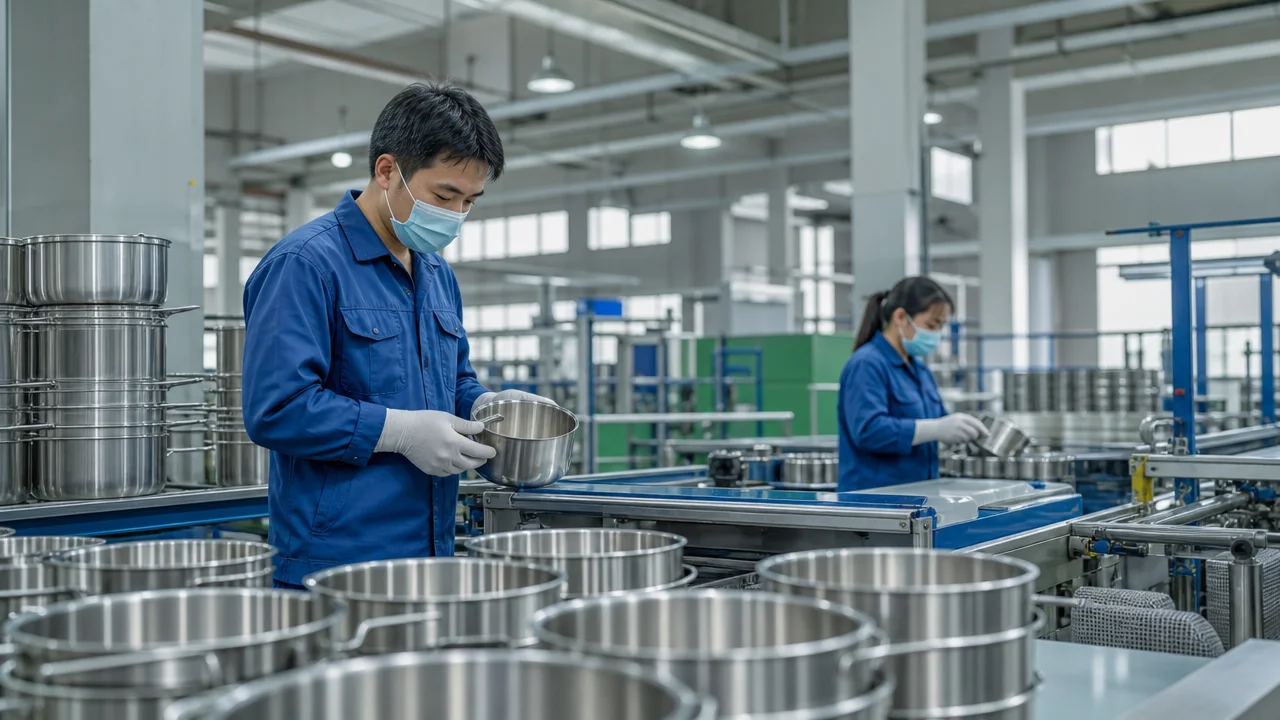
Production in focus
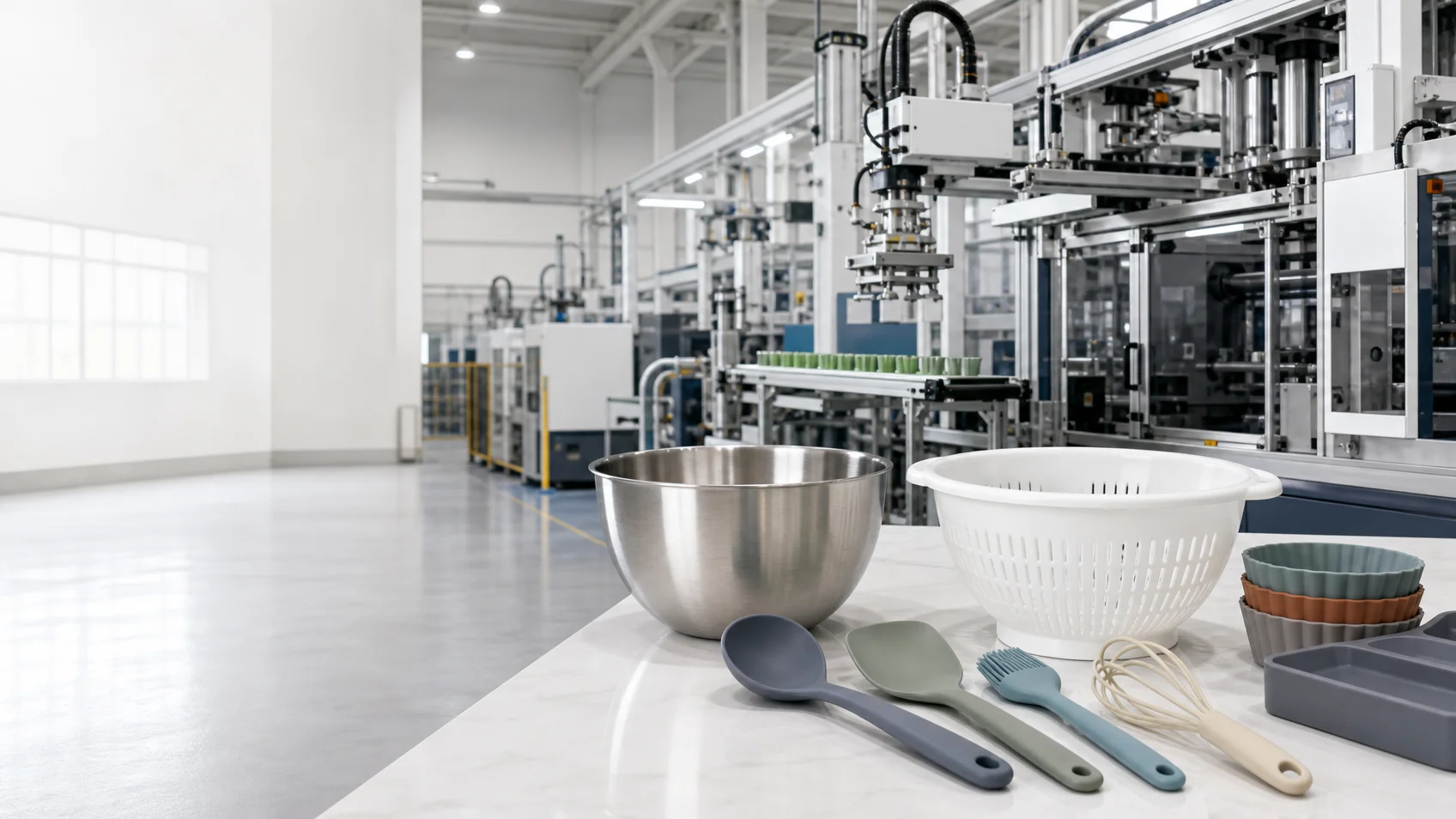
A useful kitchenware program is more than a finished shape. Material choice, tooling, forming and part-level inspection all shape how a product performs in service.
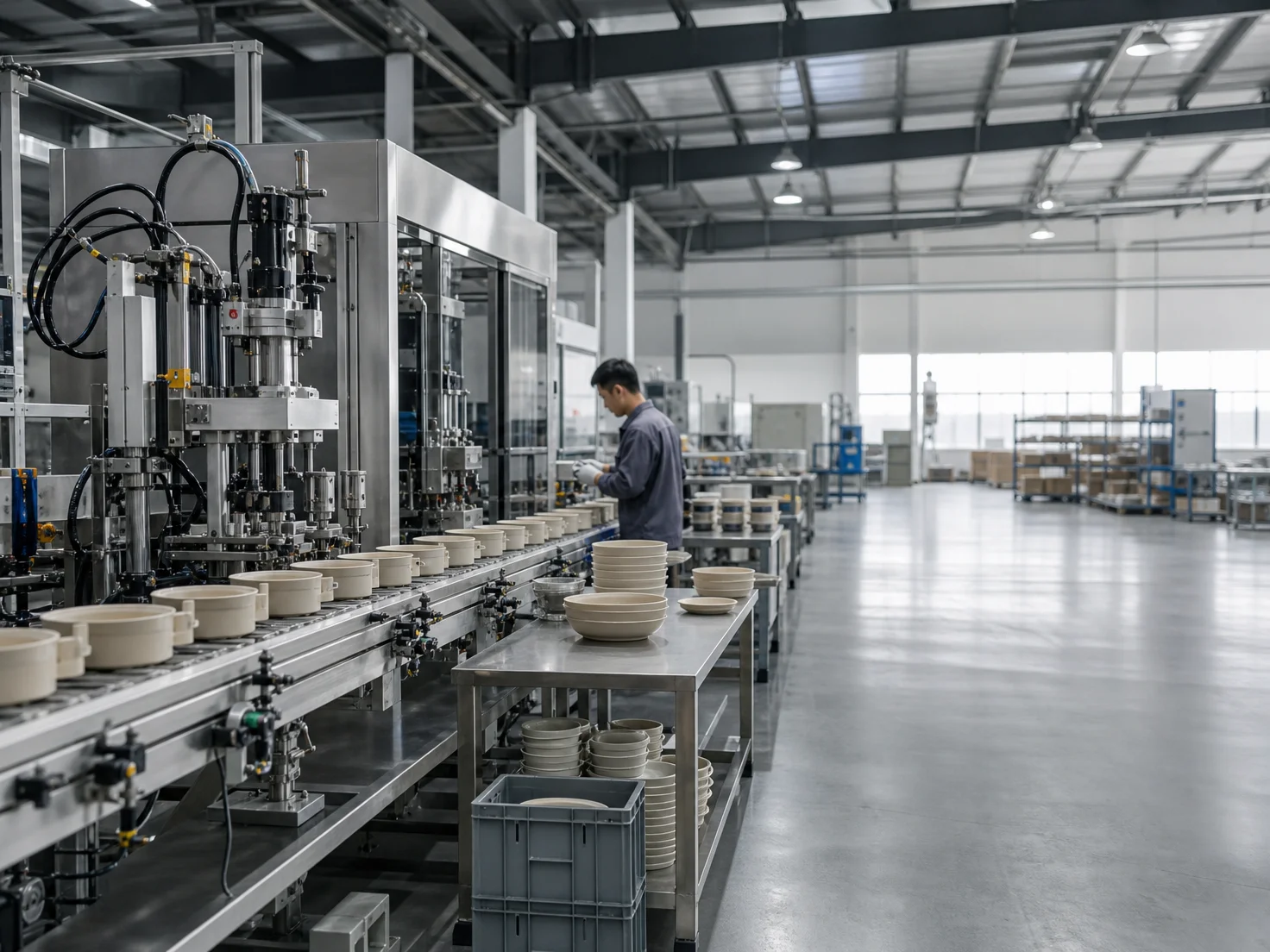
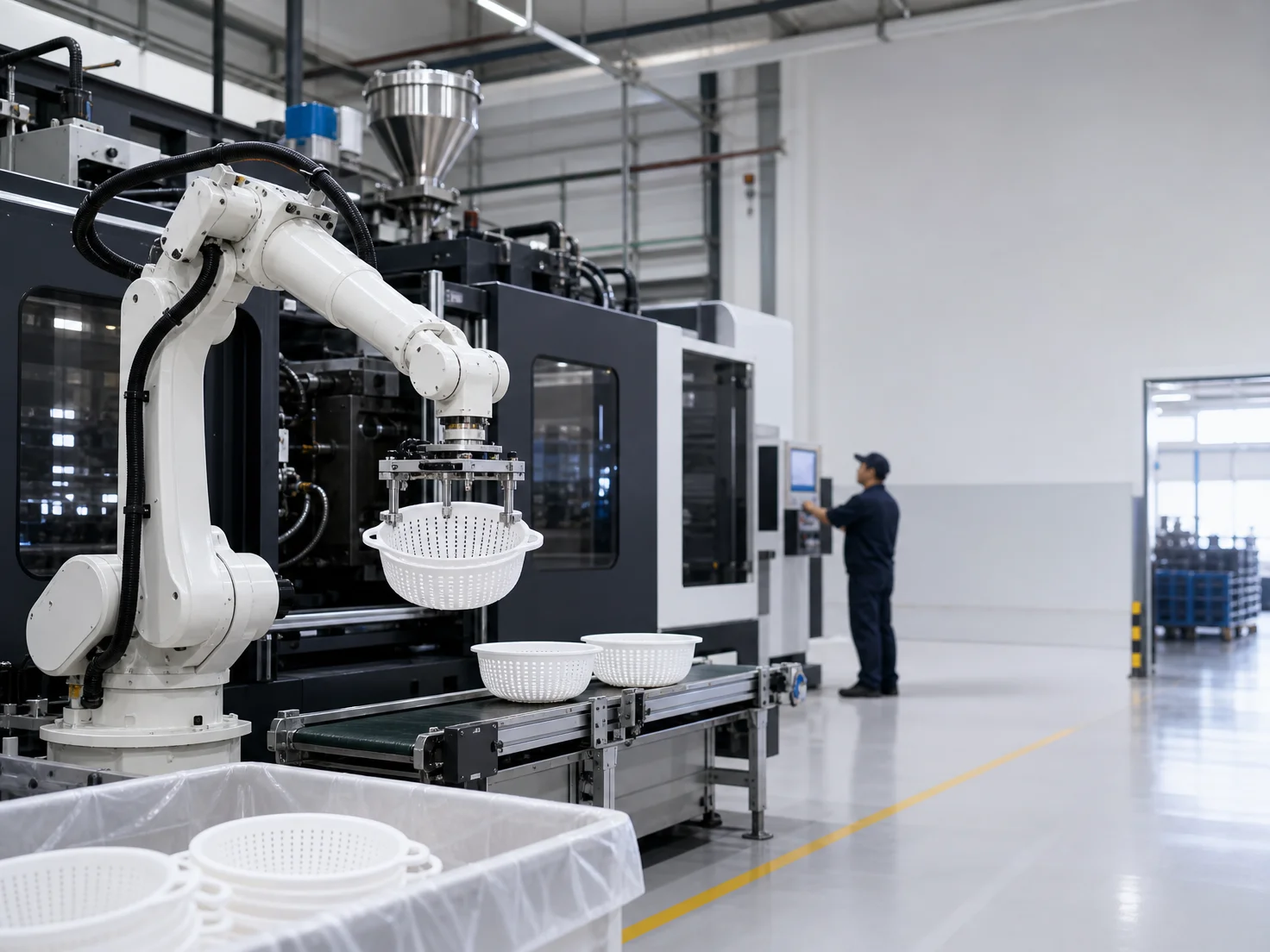
Our 2026 production update documents a new 8,000 m² Jiangsu base with stated annual capacity of more than five million pieces. Review the milestones below to see the manufacturing story behind the catalog.
View production milestonesVerified scale
Four current facts about the catalog and production footprint.
8,000 m²
Jiangsu base
5M pieces
Annual capacity
15
Catalog products
3
Material families
Product families
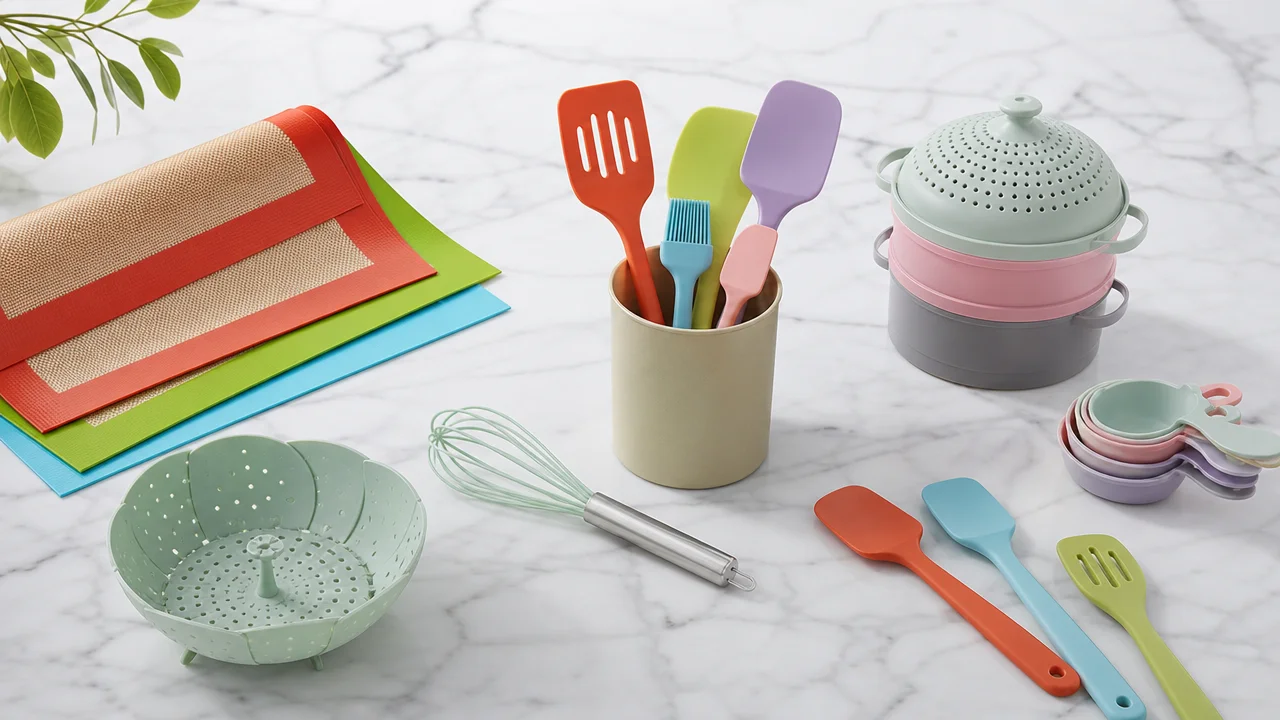
Flexible, heat-resistant kitchen tools that are easy to clean and designed around everyday food preparation.
Explore silicone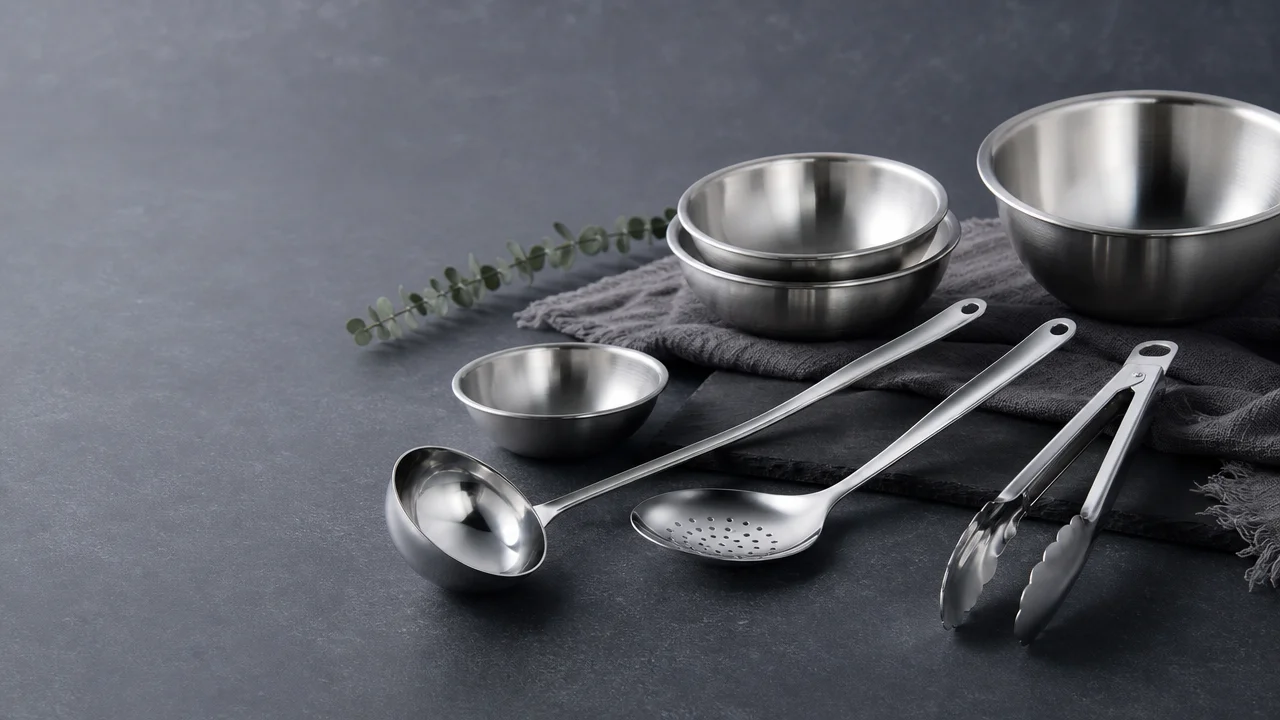
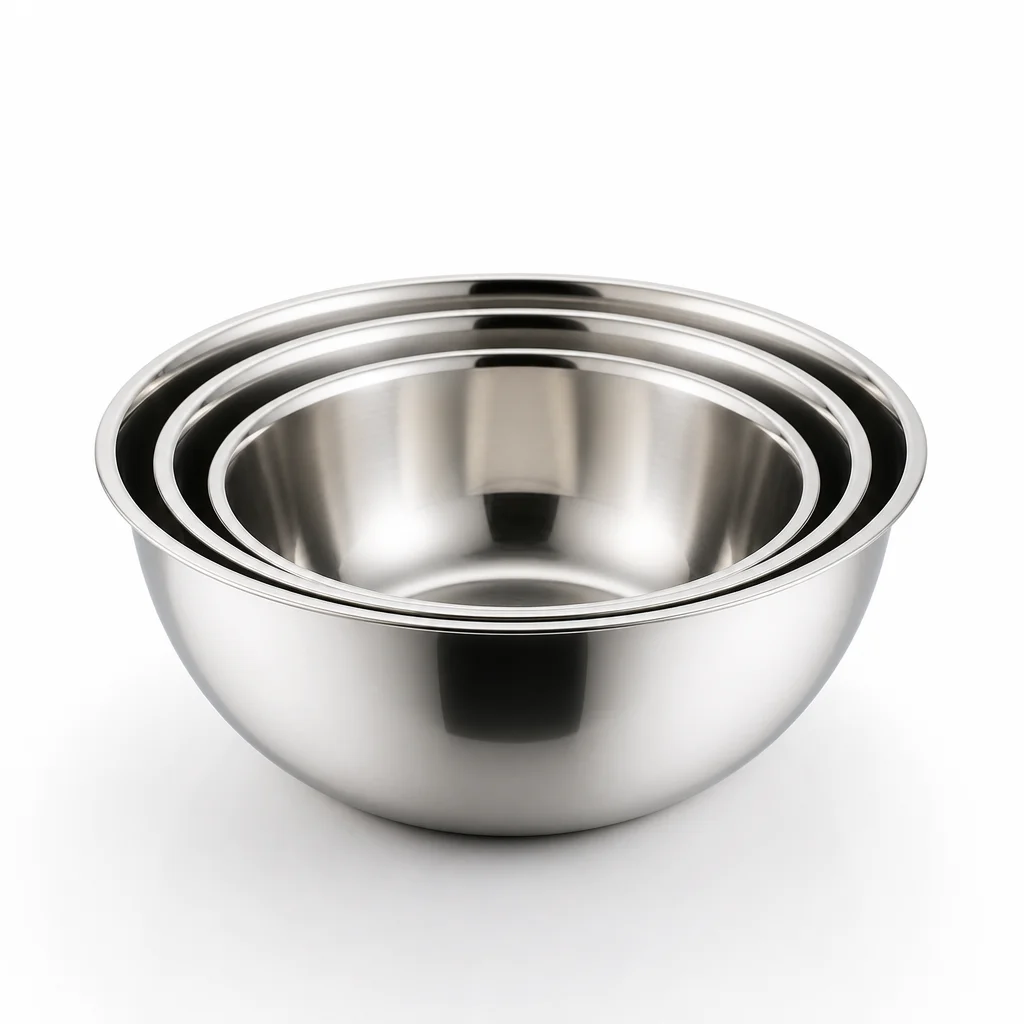
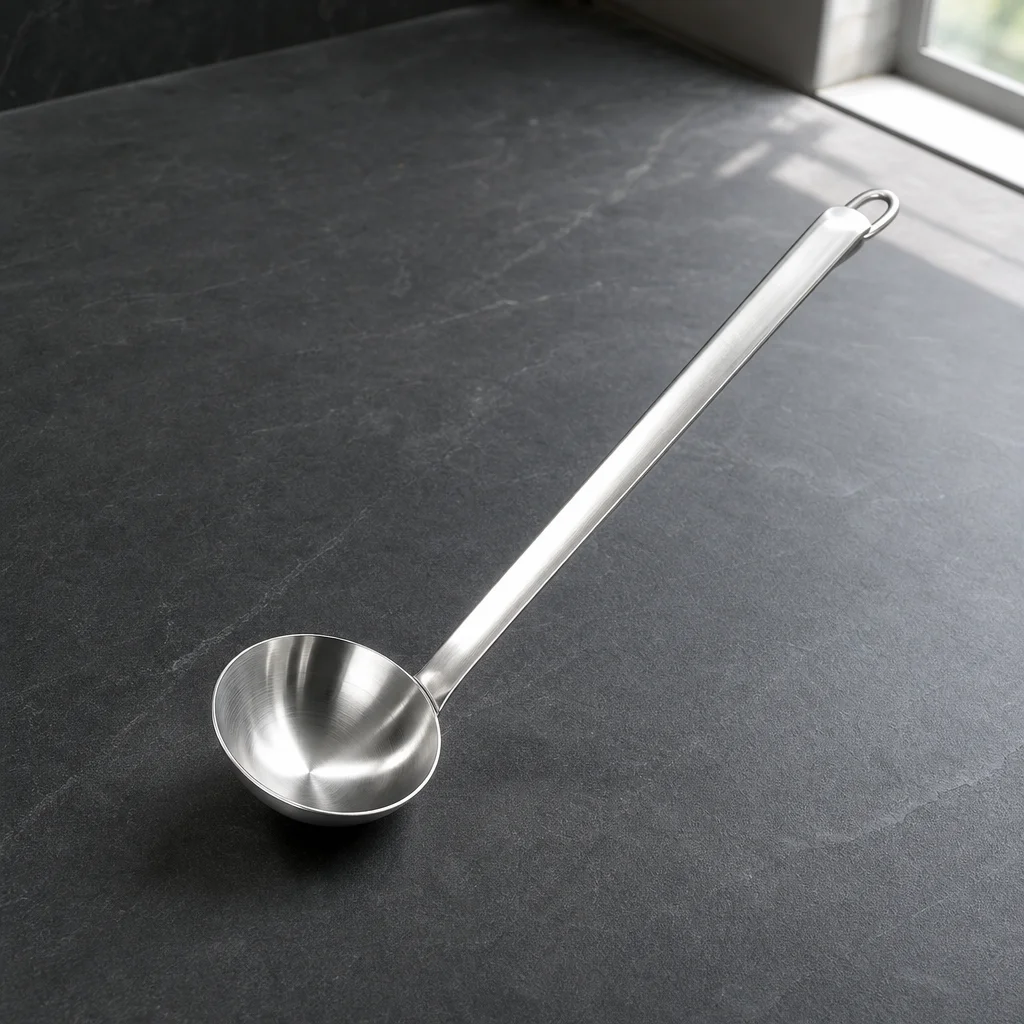
304 and 316 food-grade tools built for durability, corrosion resistance and demanding kitchen environments.
Explore steel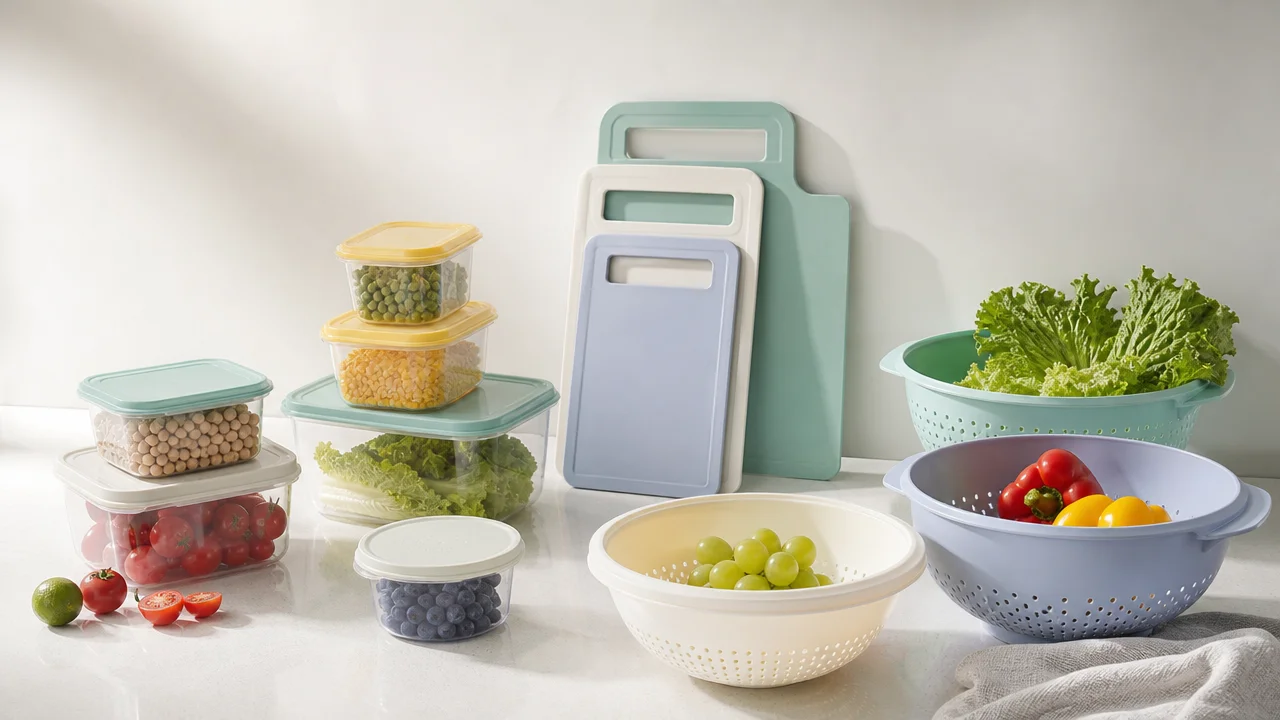
Lightweight BPA-free PP and PE products for prep, storage and service, with practical color options.
Explore plasticProduct solutions
Pair material choices with the products each kitchen task actually needs.
01 / Fresh preparation
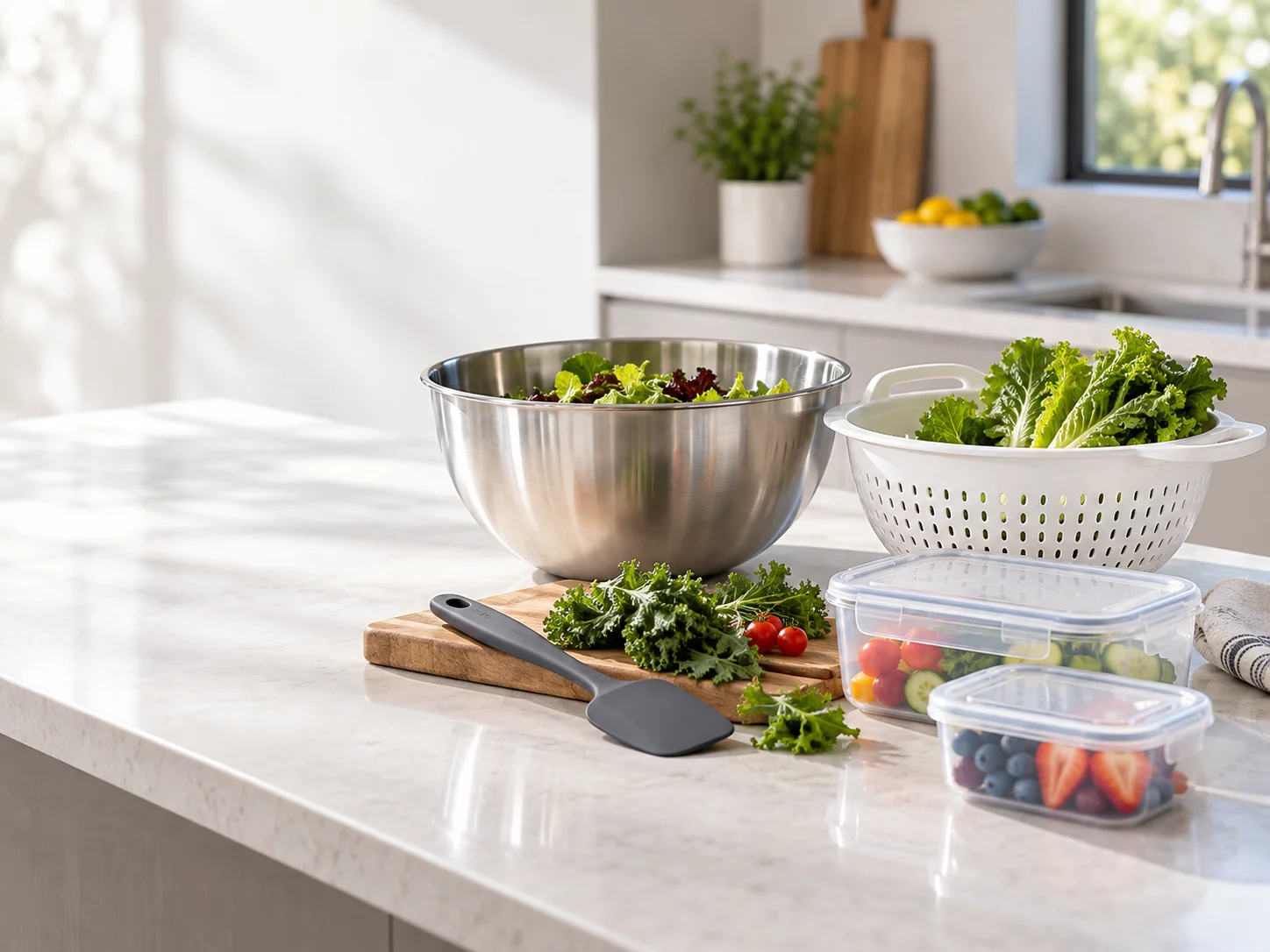
Combine draining, portioning and chopping tools in a compact preparation zone. The plastic family keeps handling light while supporting repeatable everyday prep.
Explore the plastic range02 / Hot prep and service
Stainless-steel knives, mixing bowls and serving utensils create a durable hot-prep line while keeping ingredient transfer straightforward.
Explore the steel rangeProduct range
Practical forms for preparation, storage and everyday service.
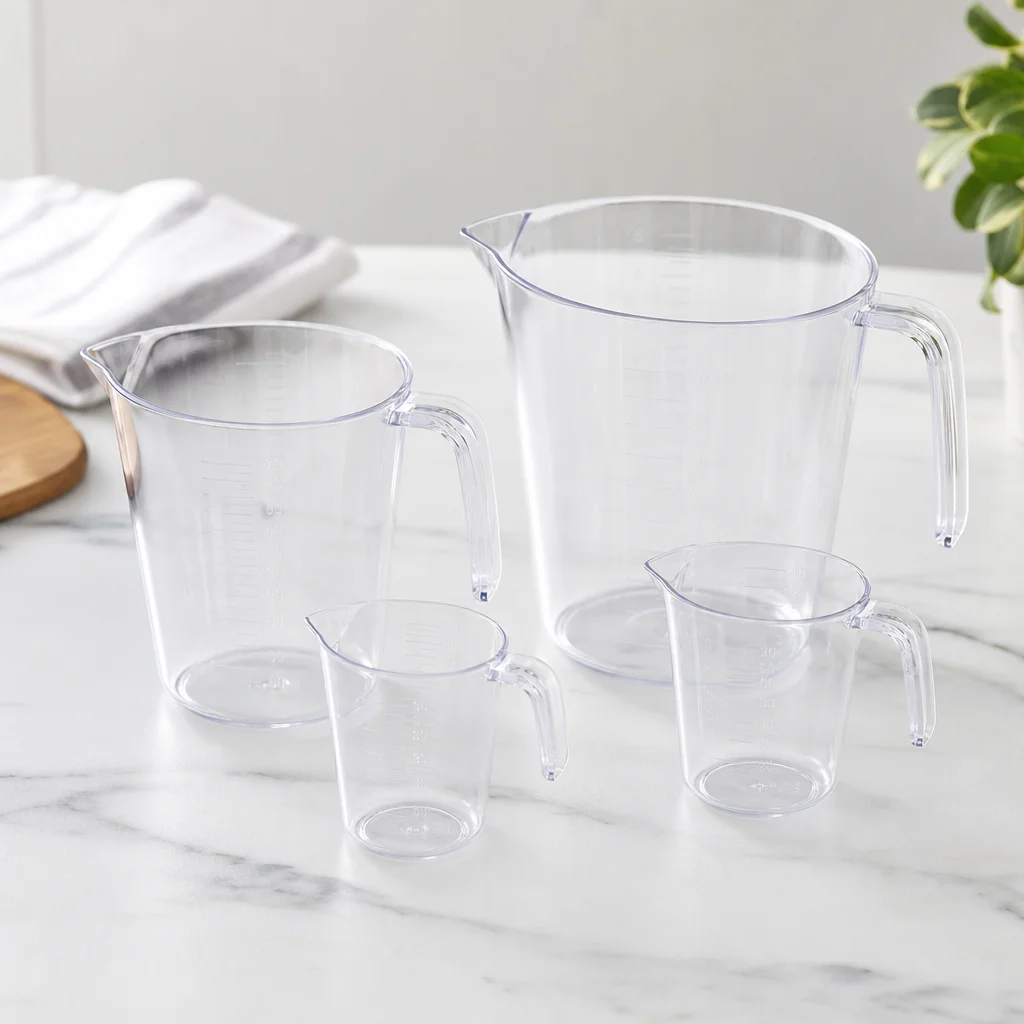
Plastic
A compact spinner for separating salad ingredients after washing, suited to prep stations where simple draining and handling matter.
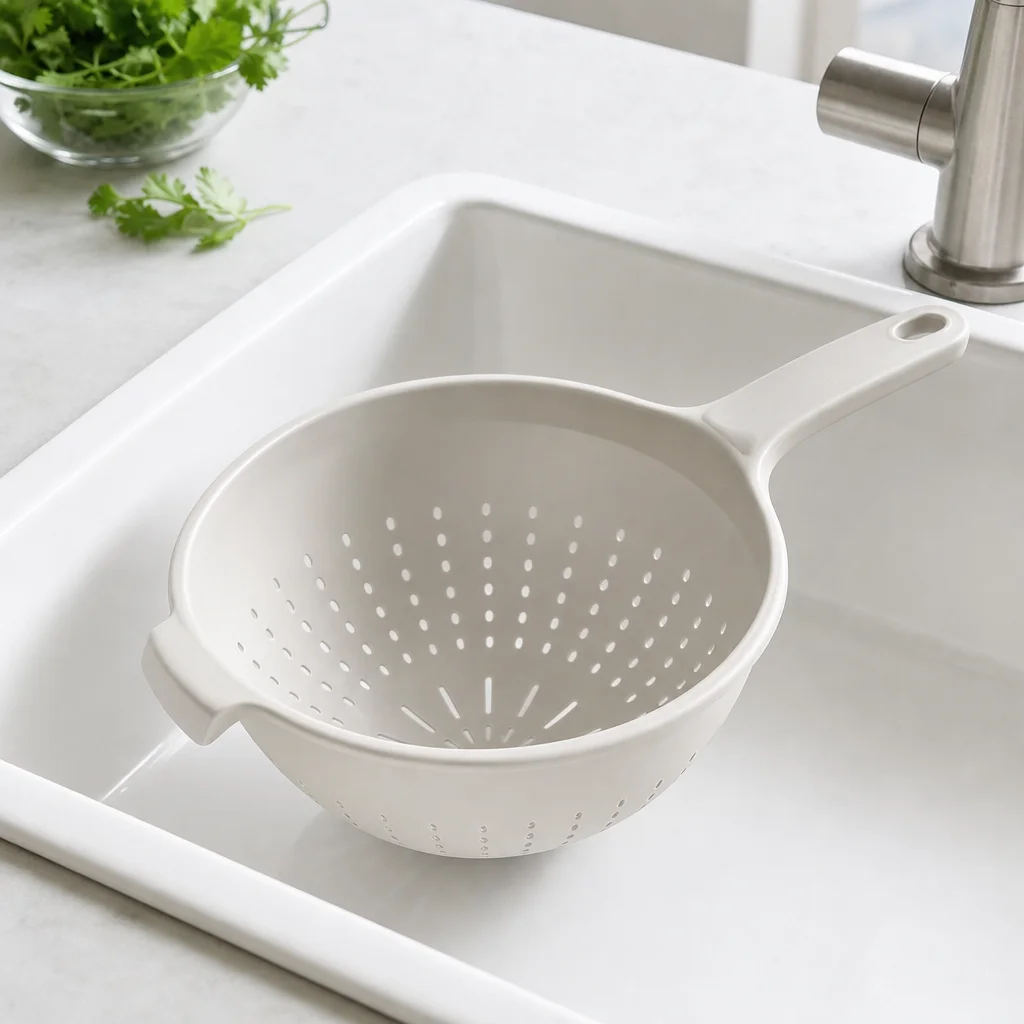
Plastic
A handled colander for washing and draining produce.
Plastic
A five-piece set for consistent portioning in prep and baking work.
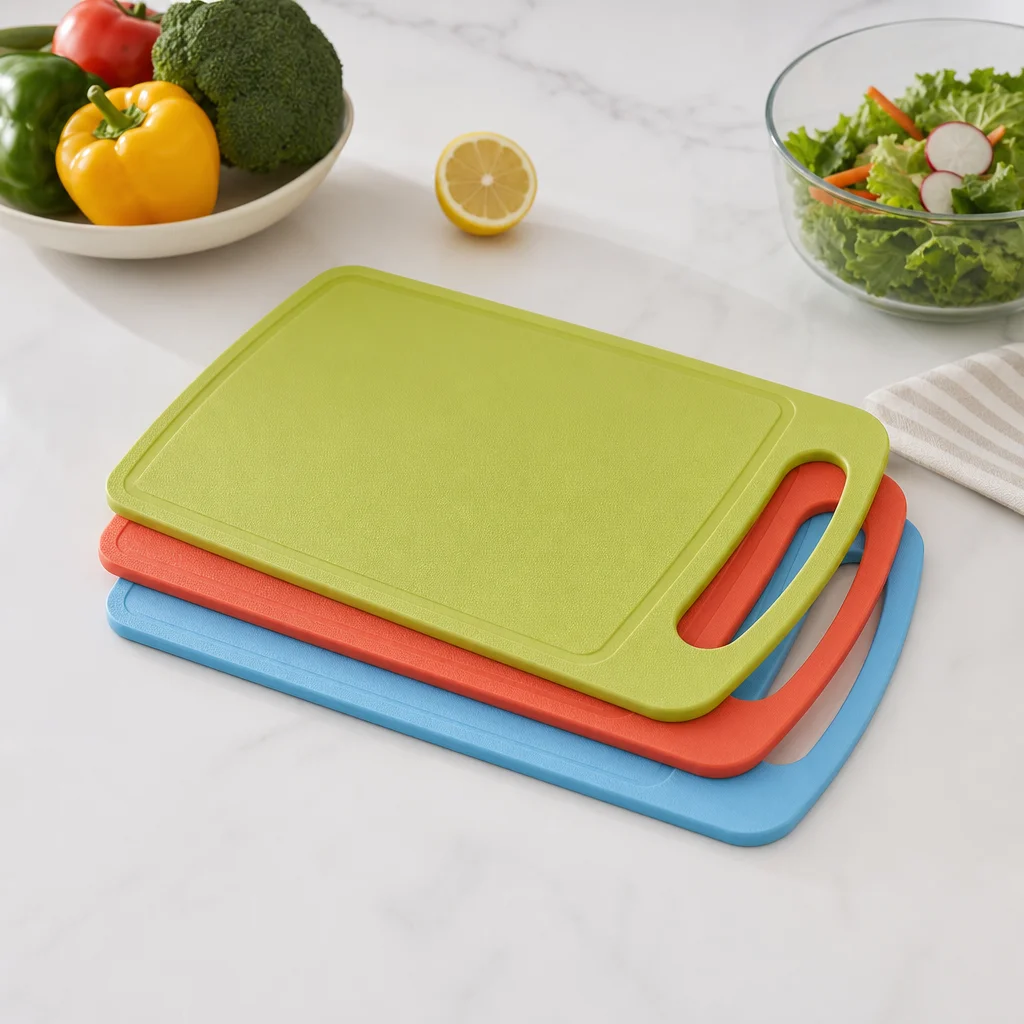
Plastic
A three-piece set for organized chopping tasks in everyday kitchens.
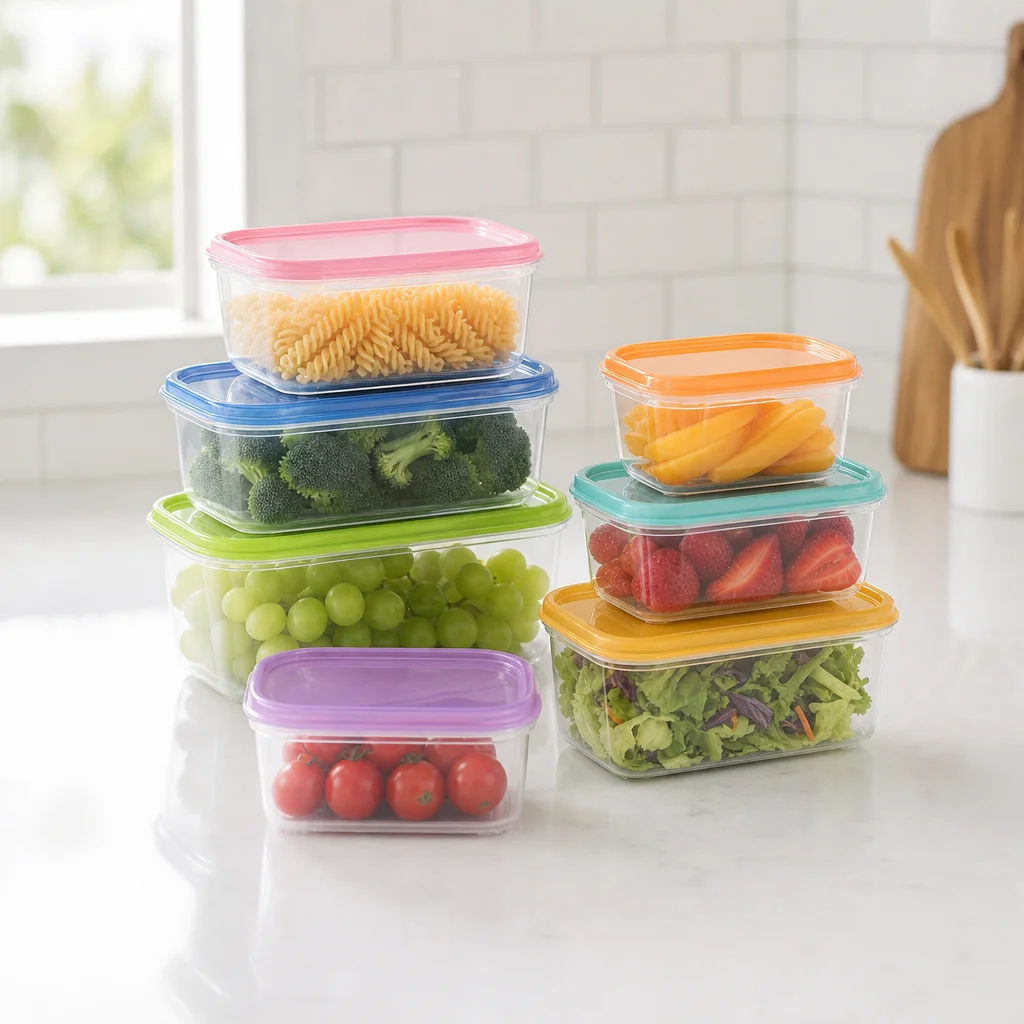
Plastic
Ten containers for batch prep, leftovers and organized service.
Application scenes
Choose a kitchen task to see the product form and material logic behind it.
Fresh preparation
A handled colander supports washing and draining in a compact workflow, keeping water away from adjacent preparation tools and ingredients.
View the handled colanderCompany profile
Kaiyuan Kitchenware brings silicone, stainless steel and plastic products into one food-contact portfolio. The range spans preparation, storage, mixing and service, while the company story follows the materials, factory systems and market partnerships that support it for buyers across home and commercial kitchens.
About Kaiyuan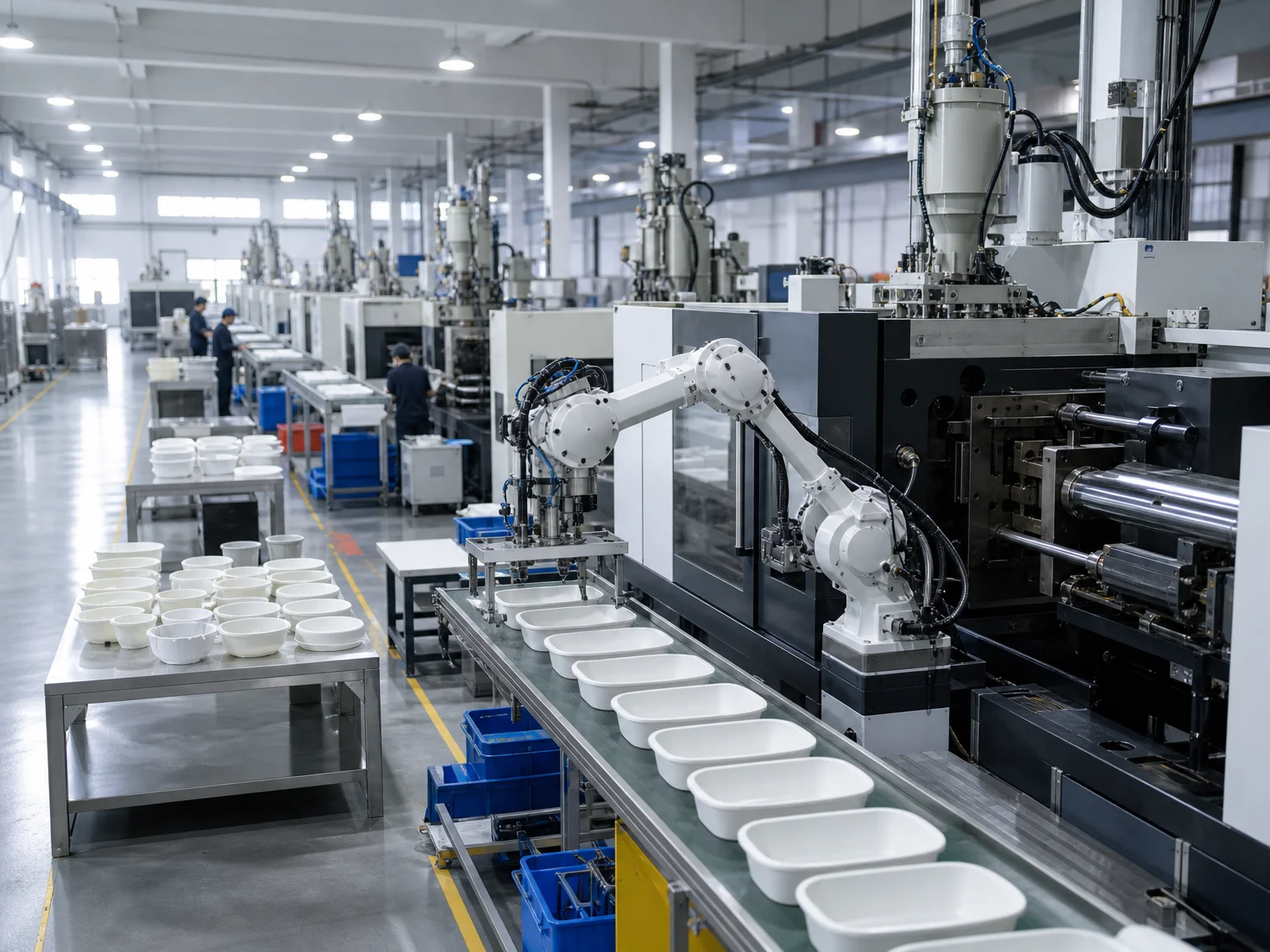
Selected company milestones
Published updates covering production, partnerships and market development.
2026
A strategic cooperation agreement was signed with a German kitchenware brand to support joint development and market expansion in Asia.

2026
Distributors from Malaysia, Indonesia and Thailand gathered for a regional launch event focused on new market cooperation.
2026
The new 8,000 m² smart factory began operation, with stated annual production capacity exceeding five million pieces.
Buyer questions
Material, safety and ordering questions deserve direct responses.
The current range is organized into silicone, 304/316 stainless steel and BPA-Free PP/PE plastic. Each material has different cleaning, heat and durability considerations, so specifications should be checked for the intended use.
The silicone category references FDA and LFGB requirements, while the industry-news material discusses GB 4806 updates. Compliance is product-specific, so buyers should request current documentation for the exact item and destination market.
Do not assume that BPA-free means microwave-safe. Check the product label and manufacturer guidance for temperature limits, lid suitability and prolonged heating. Different PP and PE formats can behave differently under heat.
Mixed-material programs should be planned around function rather than appearance alone. Preparation tools may use flexible silicone, bowls and tools may use steel, and storage components may use PP or PE, with color and dimensions aligned across the range.
Provide the preferred material, product dimensions, estimated quantity, color or branding needs, packaging format and destination market. A reference image or existing sample helps define the production brief more accurately.
Quality control
Material verification and finished-part inspection protect the product at two decisive stages.
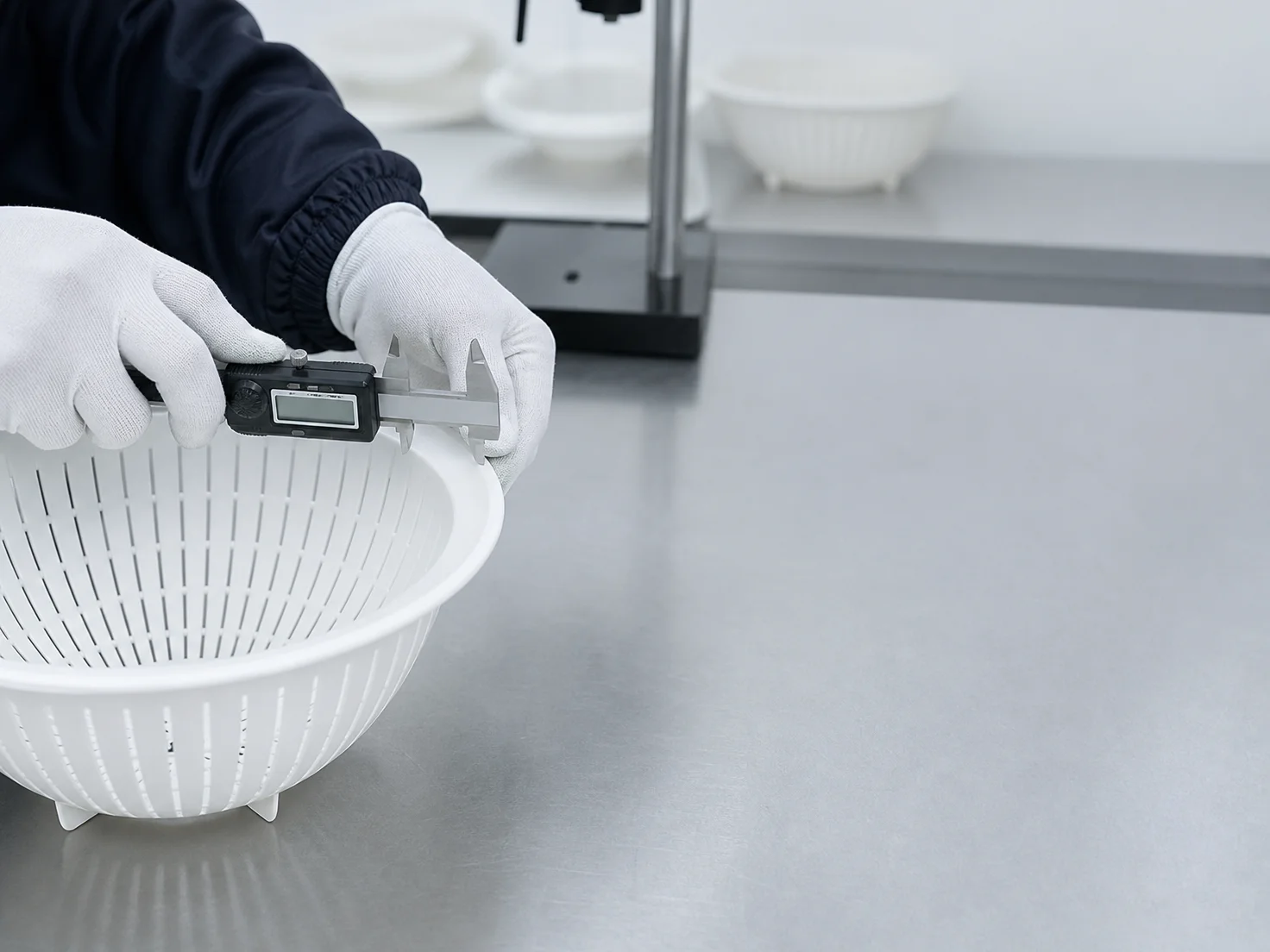
Step 01
Silicone, PP/PE and 304/316 stainless steel are checked against the declared specification and intended food-contact use before production proceeds.
Material scope Silicone · PP/PE · 304/316 steel
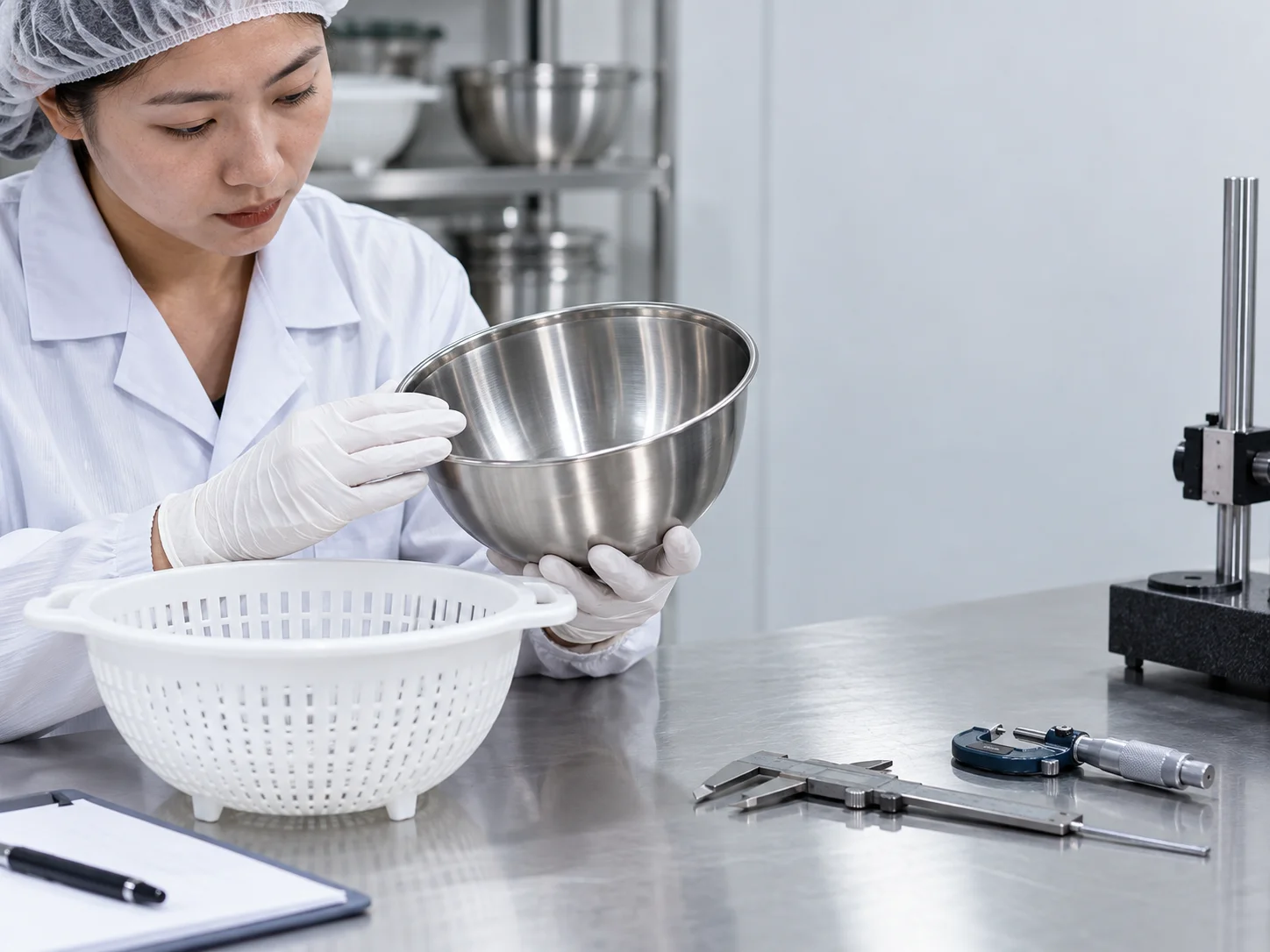
Step 02
Bowls, colanders and molded components are reviewed for dimensions, surface finish, fit and visible defects before they are packed for dispatch.
Inspection scope Dimensions · fit · finish · visible defects
Review buyer questions